
Feline Calicivirus: What Cat Owners Need to Know
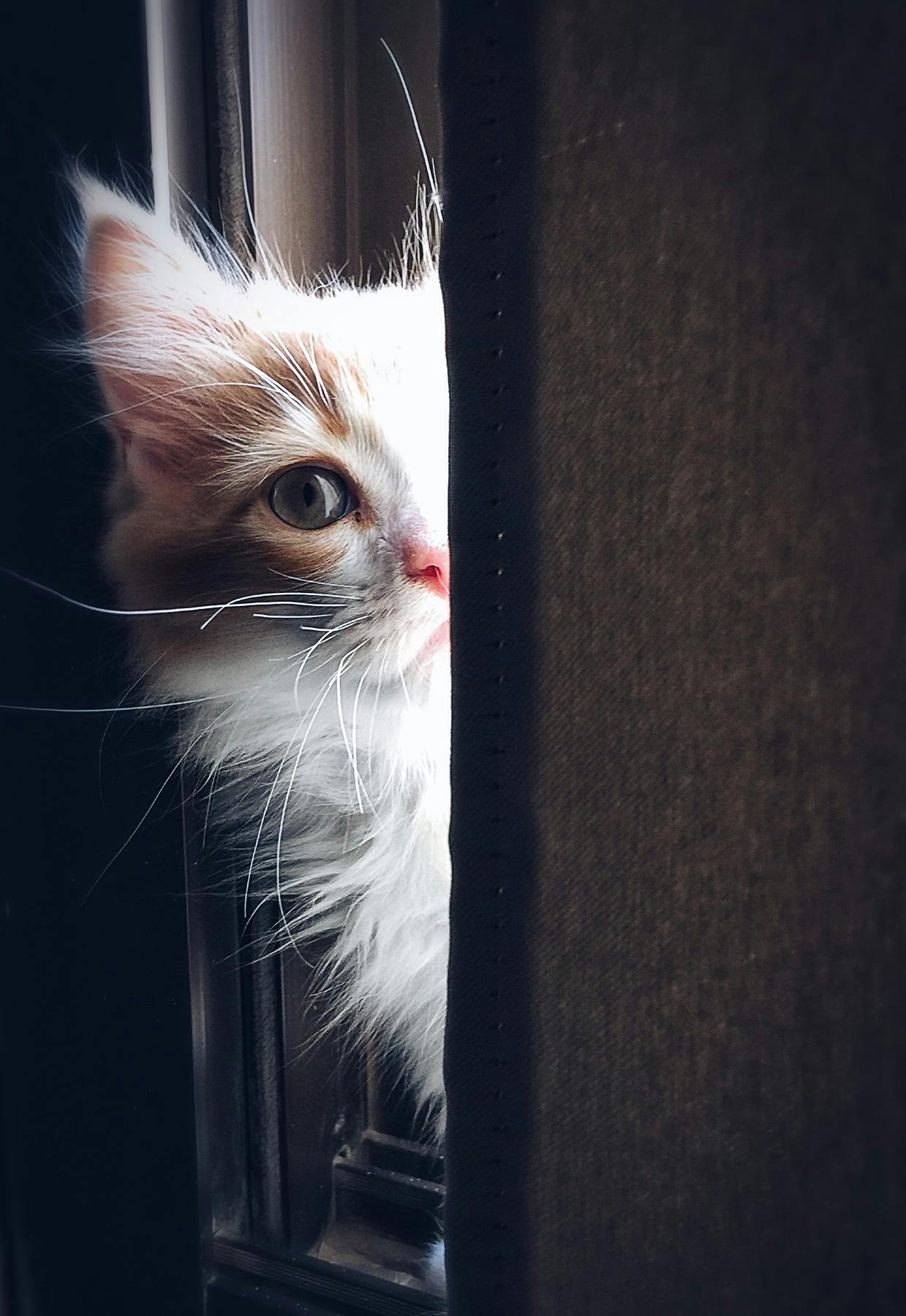
Feline calicivirus, commonly known as FCV, is a widespread viral infection that affects domestic and wild cats worldwide. It is one of the leading causes of upper respiratory tract disease in felines and can range from a mild, self-limiting illness to a severe, life-threatening condition. Understanding how FCV spreads, how to recognise the signs and when to seek veterinary care is essential for every cat owner.
What Causes Feline Calicivirus?
FCV is a highly contagious RNA virus that belongs to the Caliciviridae family. It mutates easily, which means multiple strains circulate simultaneously, and immunity to one strain does not guarantee protection against another. The virus spreads through direct contact with the saliva, nasal mucus and eye discharge of infected cats. It can also be transmitted through aerosol droplets produced when an infected cat sneezes, as well as through urine, feces and blood. In the right conditions, FCV can survive on surfaces such as food bowls, litter trays, cages and clothing for up to one month, making environments with multiple cats particularly vulnerable.
How Cats Become Infected
Cats of any age can contract FCV, but infection is most common in multi-cat environments such as shelters, catteries, pet stores and boarding facilities. Kittens, unvaccinated cats and cats with weakened immune systems are at higher risk of severe disease. After exposure, the incubation period ranges from two to fourteen days before symptoms appear. Some cats become carriers, shedding the virus intermittently for months or even years without showing signs of illness. These asymptomatic carriers can silently introduce FCV into a previously healthy household.
Symptoms and Complications
The signs of FCV vary significantly depending on the strain and the cat's immune response. Common symptoms include sneezing, nasal congestion, fever, drooling, eye and nose discharge, and painful ulcers in the mouth. Affected cats may also show lethargy, loss of appetite and lameness, particularly in young or stressed animals. In more severe cases, secondary bacterial infections can develop, leading to pneumonia, weight loss and systemic illness. Pregnant cats infected with FCV may experience abortions or stillbirths. Some cats develop chronic gingivitis and stomatitis, which require long-term management.
How FCV Is Diagnosed
Veterinarians usually diagnose FCV based on clinical signs, vaccination history and exposure risk. Definitive diagnosis may involve swabs taken from the eyes, nose or mouth and sent to a laboratory for testing. Laboratory options include viral culture or reverse transcriptase PCR, which can identify the presence of FCV genetic material. Because FCV mutates so readily, not all strains are detectable with every test, so a negative result does not always rule out infection.
Treatment Options
There is no cure for FCV, and treatment is primarily supportive. The goal is to relieve symptoms, prevent secondary infections and support the cat's immune system while it fights the virus. Your veterinarian may recommend keeping the nose and eyes clean with saline drops, using a humidifier or vaporizer to ease congestion, and prescribing antibiotics if a secondary bacterial infection is present. Fever-reducing medications and appetite stimulants may also be used. In severe cases, especially where pneumonia or dehydration is present, hospitalization for fluid therapy, nutritional support and oxygen may be necessary. Most otherwise healthy cats recover within two to four weeks with appropriate care.
Prevention and Vaccination
Vaccination is the most effective tool for reducing the severity and spread of FCV. Core vaccines for cats include FCV as a standard component, and kittens should receive a series of injections starting at around six to eight weeks of age, with boosters every three to four weeks until sixteen weeks. Adult cats require regular annual or triennial boosters to maintain protection. No vaccine prevents all strains, but vaccinated cats who do contract FCV typically experience milder symptoms and recover more quickly.
Practical Prevention Measures
Beyond vaccination, simple hygiene measures can significantly reduce transmission risk. Isolate new cats for at least two weeks before introducing them to existing pets. Clean and disinfect food bowls, litter trays, bedding and carrier surfaces regularly with a diluted bleach solution. Wash your hands thoroughly after handling cats, especially if you work or volunteer in a multi-cat environment. Avoid sharing equipment between households, and ensure any boarding or grooming facilities you use maintain strict infection control protocols.
When to Contact a Veterinarian
If your cat develops sneezing, nasal discharge, eye ulcers or loss of appetite, contact a veterinarian promptly. Early intervention reduces the risk of complications and supports a faster recovery. At Mobivet Veterinary Clinic, our experienced team in Kileleshwa and Redhill/Nyari can assess your cat's condition, provide supportive treatment and advise on vaccination and long-term prevention. If you are concerned about feline calicivirus or any other respiratory condition, book an appointment today and let us help you protect your cat's health.
Get updates
Vaccination reminders, travel checklists, clinic news — no spam.