
How Often Should You Brush Your Dog's Teeth? A Complete Guide to Dog Dental Care in Nairobi
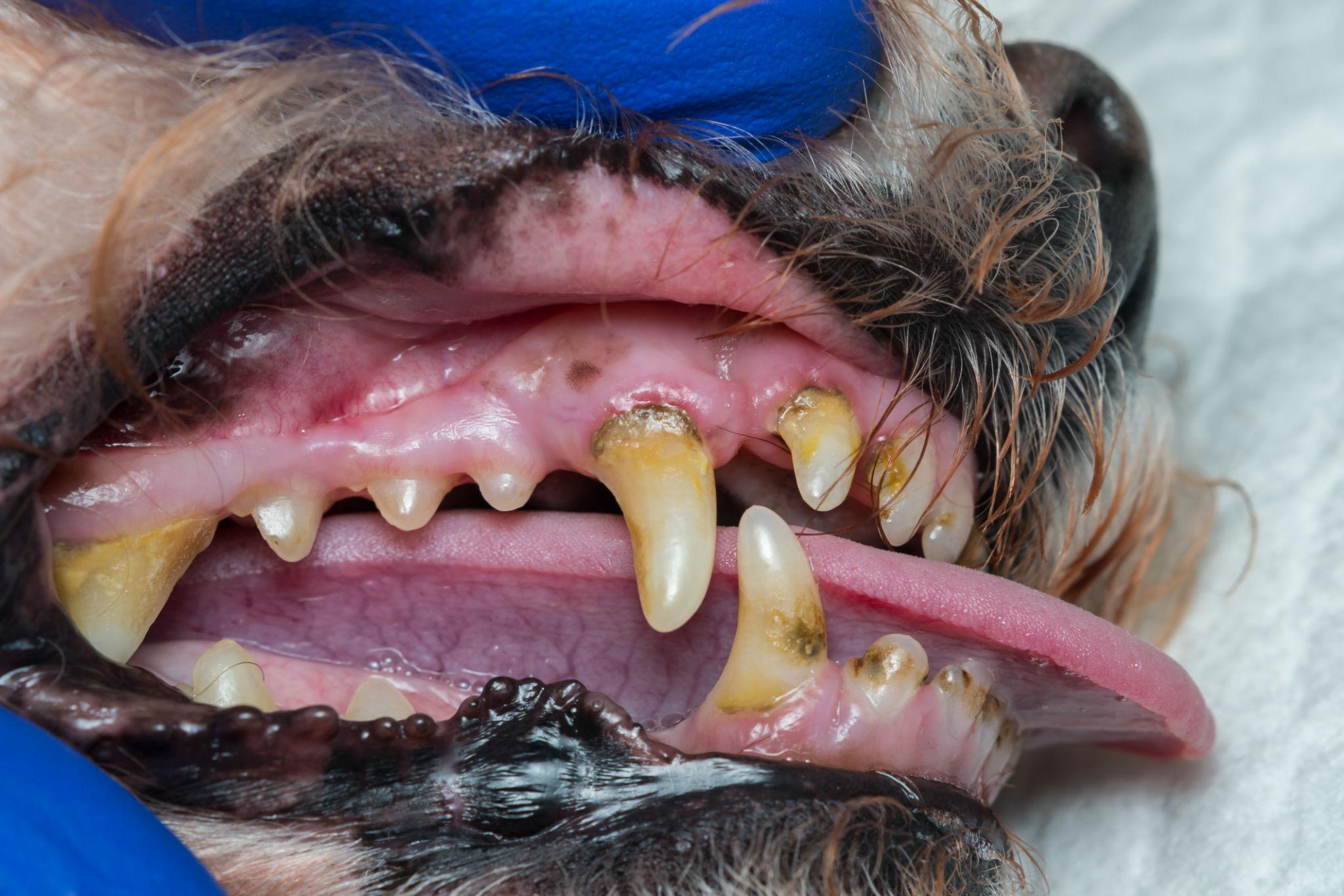
When was the last time you checked your dog's teeth? While most pet owners in Nairobi are diligent about vaccinations, deworming and regular veterinary check-ups, dental care is one aspect of pet health that is frequently overlooked.
Bad breath, yellow teeth and swollen gums are often dismissed as normal signs of ageing. However, these can be early indicators of dental disease that may cause significant discomfort and affect your dog's overall health if left untreated.
Just like humans, dogs require regular dental care to maintain healthy teeth and gums.
So, how often should you brush your dog's teeth?
Veterinarians recommend brushing your dog's teeth every day, ideally once daily. Daily brushing helps remove plaque before it hardens into tartar, reducing the risk of gum disease, tooth loss and other dental complications.
If daily brushing is not practical, aim for at least three times a week. However, daily brushing remains the gold standard for maintaining good oral hygiene.
At Mobivet Veterinary Clinic, we encourage dog owners to make dental care part of their pets' routine healthcare. In this guide, we explain how to brush your dog's teeth, recognise common signs of dental disease and understand when professional dog teeth cleaning may be necessary.
Why Is Dental Care Important for Dogs?
Dental disease is among the most common health conditions affecting dogs. It develops gradually and may progress significantly before owners notice any obvious symptoms.
The process usually begins with plaque, a sticky film containing bacteria that accumulates on the surface of the teeth. If not removed through regular brushing, plaque combines with minerals in saliva and hardens into tartar (calculus).
Tartar accumulation encourages bacterial growth and inflammation of the gums, eventually leading to periodontal disease.
Without proper dental care, your dog may develop:
● Bad breath (halitosis): Persistent unpleasant breath is often an early sign of dental disease.
● Gingivitis: Inflammation, redness and bleeding of the gums.
● Periodontal disease: Progressive damage to the gums and structures supporting the teeth.
● Loose or missing teeth: Advanced dental disease can cause significant damage to the tissues supporting the teeth.
● Pain and difficulty eating: Dogs may chew on one side, drop food or become reluctant to eat.
In advanced cases, chronic oral infection and inflammation can also have wider implications for your dog's health.
Maintaining good dental hygiene is therefore not simply about keeping your dog's breath fresh. It is an important part of preventive veterinary healthcare.
How Often Should You Brush Your Dog's Teeth?
The ideal frequency is once every day.
Daily brushing physically removes plaque before it has time to accumulate and mineralise into tartar. Once tartar has hardened and attached firmly to the teeth, a toothbrush cannot remove it effectively.
If you are a busy pet owner, try to establish a routine that works for your household. Even brushing three to four times a week is better than doing it occasionally.
However, remember that brushing is preventive care. If your dog already has significant tartar accumulation, inflamed gums or loose teeth, brushing alone will not resolve the problem. A professional veterinary dental examination may be necessary.
How to Brush Your Dog's Teeth Correctly: A Step-by-Step Guide
Introducing toothbrushing can take time, particularly if your dog has never experienced it before. The secret is to be patient and make the process as comfortable as possible.
1. Choose the right toothbrush and toothpaste
Use a soft-bristled toothbrush designed specifically for dogs. Finger toothbrushes can also be useful, particularly when introducing puppies or small dogs to brushing.
Always use veterinary-approved toothpaste formulated for dogs.
Never use ordinary human toothpaste. Some formulations contain ingredients such as xylitol, which is toxic to dogs, while other ingredients may cause stomach upset when swallowed.
2. Introduce your dog to the process gradually
Allow your dog to smell and taste a small amount of pet toothpaste. Gently touch their lips and muzzle before progressing to the teeth and gums.
Avoid forcing your dog's mouth open. The aim is to build familiarity and trust.
3. Start with the outer surfaces of the teeth
Gently lift your dog's lips and begin brushing the outside surfaces of the teeth, particularly around the gumline.
These surfaces are easier to access and are particularly important because plaque commonly accumulates along the gumline.
4. Use gentle brushing movements
Hold the toothbrush at approximately a 45-degree angle towards the gumline and use gentle circular or short brushing movements.
Pay particular attention to the back teeth, where plaque and tartar can accumulate.
5. Keep brushing sessions short
You do not have to brush every tooth perfectly during the first session. Start with a few teeth and gradually increase the duration as your dog becomes comfortable.
Reward your dog with praise or a favourite activity after brushing.
6. Make it part of your daily routine
Choose a convenient time, such as after an evening walk or before bedtime. Establishing a consistent routine makes it easier for both you and your dog.
What If Your Dog Does Not Like Having Their Teeth Brushed?
Not every dog will immediately cooperate with toothbrushing. Some dogs are naturally uncomfortable with having their mouths handled, while others may resist because of previous negative experiences.
Do not force the process.
Instead:
● Start by gently handling your dog's muzzle and lips.
● Allow your dog to become familiar with the toothpaste.
● Introduce the toothbrush gradually.
● Begin with very short sessions.
● Use praise and positive reinforcement.
● Stop if your dog becomes distressed or shows signs of pain.
If your dog suddenly becomes resistant to having their mouth touched, arrange a veterinary dental examination. Painful gums, fractured teeth and other oral conditions may be responsible.
Signs Your Dog May Have Dental Disease
Dogs are good at hiding discomfort, meaning dental disease can progress without obvious signs of pain.
As a responsible pet owner, it is important to regularly check your dog's mouth and watch out for the following warning signs:
● Persistent bad breath.
● Yellow or brown deposits on the teeth.
● Red, swollen or bleeding gums.
● Excessive drooling.
● Pawing or rubbing at the mouth.
● Difficulty chewing or dropping food.
● Reduced appetite or reluctance to eat.
● Loose, broken or missing teeth.
● Swelling around the mouth or face.
If you notice any of these symptoms, arrange a veterinary examination rather than attempting to remove the deposits yourself.
Early intervention can prevent more extensive dental treatment and help keep your dog comfortable.
Can Dental Chews Replace Brushing Your Dog's Teeth?
Dental chews, specially formulated dental diets and certain oral hygiene products can support your dog's dental health.
However, they should complement toothbrushing rather than replace it.
Some dental chews help reduce plaque accumulation through mechanical action as your dog chews. Specially formulated dental diets may also help control plaque and tartar on certain tooth surfaces.
When selecting dental products:
● Choose appropriately sized dental chews to reduce the risk of choking.
● Look for products with recognised evidence of dental effectiveness, such as Veterinary Oral Health Council (VOHC) acceptance where available.
● Avoid excessively hard objects, including bones, antlers and very hard plastic toys, which can fracture teeth.
● Consult your veterinarian before introducing dental diets or oral hygiene products.
Remember, no dental chew or water additive can reliably replace proper toothbrushing.
How Often Does Your Dog Need Professional Dental Cleaning?
Even with consistent home dental care, some dogs will develop tartar accumulation or other dental problems that require professional attention.
We recommend having your dog's teeth and gums examined by a veterinarian at least once a year. Some dogs may require more frequent assessments depending on their age, breed, existing dental condition and individual risk factors.
At Mobivet Veterinary Clinic, we provide veterinary dental assessments and professional dental scaling to help manage plaque and tartar accumulation and address existing dental problems.
Professional dental cleaning, also known as dental scaling and polishing, helps remove hardened tartar and plaque deposits from tooth surfaces, including areas that cannot be adequately cleaned at home.
A comprehensive veterinary dental procedure involves:
A thorough oral examination.
Assessment of the teeth and gums.
Removal of plaque and tartar above and below the gumline.
Polishing of the teeth to smooth their surfaces.
Further treatment, including dental extractions, where clinically indicated.
Professional dental cleaning is performed under general anaesthesia to allow safe, thorough cleaning and assessment, including examination of areas below the gumline. Your veterinarian will first assess your dog's health and suitability for anaesthesia.
Important: Professional dental cleaning is not the same as simply scraping visible tartar off the teeth. Cleaning without anaesthesia does not allow proper assessment or treatment below the gumline and is not a substitute for comprehensive veterinary dental care.
Which Dog Breeds Are More Prone to Dental Problems?
Although all dogs can develop dental disease, some breeds are more predisposed to oral health problems.
These include:
● Small-breed dogs: Chihuahuas, Yorkshire Terriers, Toy Poodles and Shih Tzus are particularly prone to dental problems due to crowded teeth and their smaller jaw structures.
● Senior dogs: Dental disease tends to accumulate over time, making regular dental assessments particularly important as dogs age.
● Dogs with crowded or misaligned teeth: Abnormal tooth positioning can create areas where plaque accumulates easily.
● Dogs with a history of dental disease: These pets may need more frequent professional dental care and consistent home maintenance.
Puppies should also be introduced to gentle mouth handling early. This makes it easier to establish a lifelong dental care routine and allows owners to monitor the transition from baby teeth to permanent teeth.
Frequently Asked Questions About Dog Dental Care
1. Can I brush my dog's teeth every day?
Yes. Daily brushing is recommended and is the most effective home method of controlling plaque. Use a soft-bristled toothbrush and toothpaste specifically formulated for dogs.
2. At what age should I start brushing my puppy's teeth?
You can introduce gentle mouth handling and toothbrushing from puppyhood. Begin gradually using a soft brush and dog-safe toothpaste, making the experience positive. Early introduction helps establish good dental hygiene habits.
3. Can I use human toothpaste on my dog?
No. Human toothpaste is not formulated for dogs and may contain ingredients that are harmful when swallowed. Always use veterinary toothpaste.
4. Does dry dog food prevent dental disease?
Ordinary dry dog food does not reliably prevent dental disease. Some specially formulated veterinary dental diets have been designed to help reduce plaque and tartar, but they should be used as part of a broader dental care programme.
5. Will brushing remove existing tartar from my dog's teeth?
No. Toothbrushing removes soft plaque but cannot effectively remove hardened tartar. Your dog may require professional dental scaling and polishing performed by a veterinarian.
6. Is bad breath normal in dogs?
Persistent bad breath is not something you should ignore. It can indicate plaque accumulation, gingivitis, periodontal disease or other underlying health problems. A veterinary examination is recommended.
7. How do I know if my dog needs professional teeth cleaning?
Visible tartar, persistent bad breath, red or bleeding gums, loose teeth and difficulty eating are all reasons to arrange a veterinary dental examination. Your veterinarian will assess your dog's oral health and recommend appropriate treatment.
8. Where can I get my dog's teeth cleaned in Nairobi?
Mobivet Veterinary Clinic provides veterinary dental examinations and professional dental scaling at its Kileleshwa and Rosslyn branches in Nairobi. Our veterinary team can assess your dog's oral health and recommend an appropriate dental care plan.
Book Your Dog's Dental Check-up at Mobivet Veterinary Clinic, Nairobi
Your dog's dental health deserves the same attention as vaccinations, nutrition and routine health checks.
At Mobivet Veterinary Clinic, we believe preventive dental care is essential for maintaining your pet's comfort, health and quality of life.
Our veterinary team offers professional dental examinations and dental scaling to help manage plaque and tartar accumulation, address existing dental problems and support long-term oral health.
Whether you are based in Kileleshwa, Lavington, Kilimani, Westlands, Karen, Runda, Rosslyn, Nyari or the surrounding areas, our team is ready to assist.
You can visit us at either of our Nairobi branches:
● Kileleshwa Branch: Mobivet Veterinary Clinic, Kileleshwa, Nairobi.
● Rosslyn Branch: Astrol Square, Redhill Road, Nairobi.
We also offer veterinary house-call services within Nairobi and its environs for clients who require convenient veterinary care at home. Dental procedures requiring specialised equipment and anaesthesia are conducted at our clinic.
Do not wait until your dog develops painful dental problems. Schedule a dental examination with Mobivet Veterinary Clinic today.
Give your furry companion the gift of a healthier smile!
Mobivet Veterinary Clinic – Your Partner in Pet Health and Wellness.
Visit our website to learn more about our veterinary services and book an appointment.
Get updates
Vaccination reminders, travel checklists, clinic news — no spam.