
Pet Import Requirements for Kenya (Dogs and Cats)
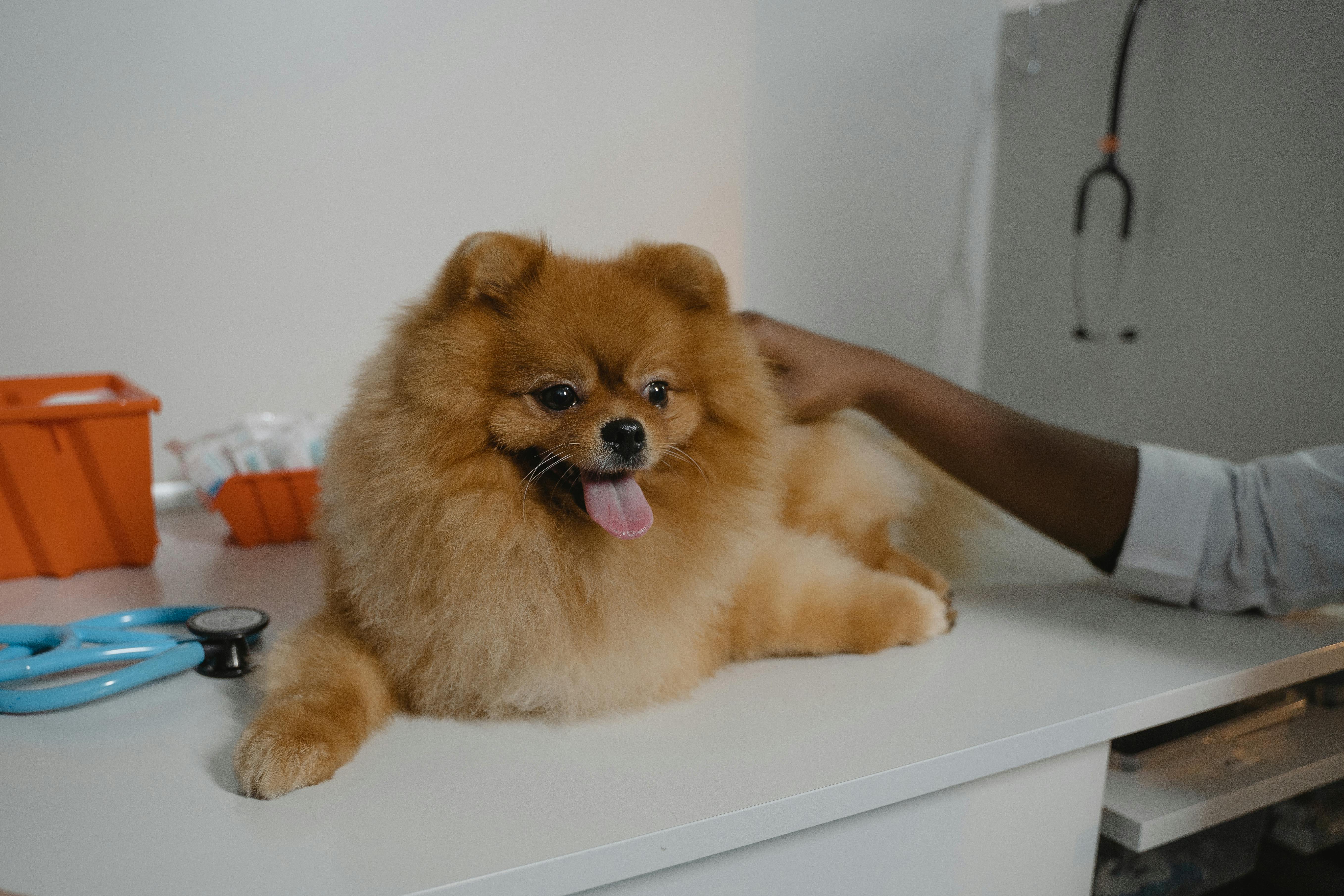
Importing a dog or cat into Kenya is a detailed but manageable process when you understand the exact requirements and timelines. Kenya has clear veterinary and regulatory guidelines designed to protect both the local animal population and public health. Whether you are returning home with your pet or relocating your companion from abroad, compliance with these rules helps avoid delays, additional costs or unexpected quarantine.
The Import Permit
Every pet entering Kenya must have a valid import permit. This permit is issued by an authorized agent in Kenya or the Kenyan High Commission in the country of origin and is valid for 90 days from the date of issue. To apply, you will need the importer's full name and address, details of both the country of origin and the destination within Kenya, and confirmation that the pet meets the required vaccination and health standards. Apply well in advance of your travel date, as processing can take time and last-minute applications are not uncommon.
Vaccination Requirements
Pets must have a valid rabies vaccination that was administered at least 30 days before travel and within the last 12 months, unless a clearly stated three-year vaccine is used. Puppies may receive their first rabies vaccination at 12 weeks of age, but a 30-day waiting period is required afterward, meaning the minimum import age is typically 16 weeks. If the puppy's mother has a valid rabies vaccination, some exceptions may apply, but confirm this with your veterinarian and the relevant authorities before travel.
Veterinary Health Certificate and Export Permit
A veterinary health certificate and, where applicable, an export permit from the country of origin are required. These documents are typically issued four to five days before arrival in Kenya and must be signed by a licensed veterinarian. The certificate confirms that your pet is fit to travel and free from infectious diseases. Keep the original documents with your pet and carry photocopies separately as a backup.
Pre-Alert Paperwork
At least 48 hours before arrival, you must submit a pre-alert airway bill and complete flight details to the relevant authorities. This allows pre-clearance and reduces the likelihood of delays at JKIA. Confirm all consignment details with your shipping agent before issuance, as errors in the airway bill are a common cause of clearance problems.
Microchipping and RNATT
Microchipping is not mandatory for pets entering Kenya, but it is strongly recommended for identification, lost-pet recovery and future international travel. Rabies antibody titre testing is also not currently required for entry, though it is advisable if your pet may travel to the European Union or other destinations where it is mandatory. Once titre testing is done, keep rabies vaccinations strictly up to date to maintain the validity of the test results.
How Pets Should Travel
Pets should enter Kenya as manifest cargo whenever possible. Some airlines allow small dogs or cats to travel as accompanied baggage, but import clearance assistance is still required and all charges apply regardless of travel method. Confirm pet travel options, crate specifications and temperature restrictions directly with your airline before booking. The crate must be sturdy, well-ventilated and large enough for your pet to stand, turn around and lie down comfortably.
On Arrival in Kenya
Upon arrival at JKIA or another port of entry, veterinary authorities will review the documentation and may conduct a brief physical inspection. If all requirements are met, your pet will be cleared without quarantine. If any documents are missing or unclear, clearance may be delayed while additional information is obtained. Working with an experienced pet import agent or veterinary service in Kenya greatly reduces the risk of such complications.
Final Checklist Before You Travel
- Valid Kenyan pet import permit issued before travel
- Rabies vaccination at least 30 days before travel and within the last 12 months
- Veterinary health certificate issued 4–5 days before arrival
- Pre-alert airway bill and flight details submitted 48 hours before arrival
- All original documents traveling with the pet
- Microchip implanted and registered
- Suitable travel crate approved by the airline
Importing a pet into Kenya requires attention to detail, but thorough preparation makes the process straightforward. The team at Mobivet Veterinary Clinic is experienced in pet import documentation and clearance. Contact us at our Kileleshwa or Redhill/Nyari clinic to discuss your specific requirements and timeline.
Get updates
Vaccination reminders, travel checklists, clinic news — no spam.