Travelling with Pets from Kenya as Accompanied Baggage (AVIH): Complete Guide
Travelling internationally or domestically with a pet can seem complicated, especially when your dog or cat cannot travel in the cabin. One of the options available with some airlines is to transport your pet as checked AVIH (Animal in Hold).
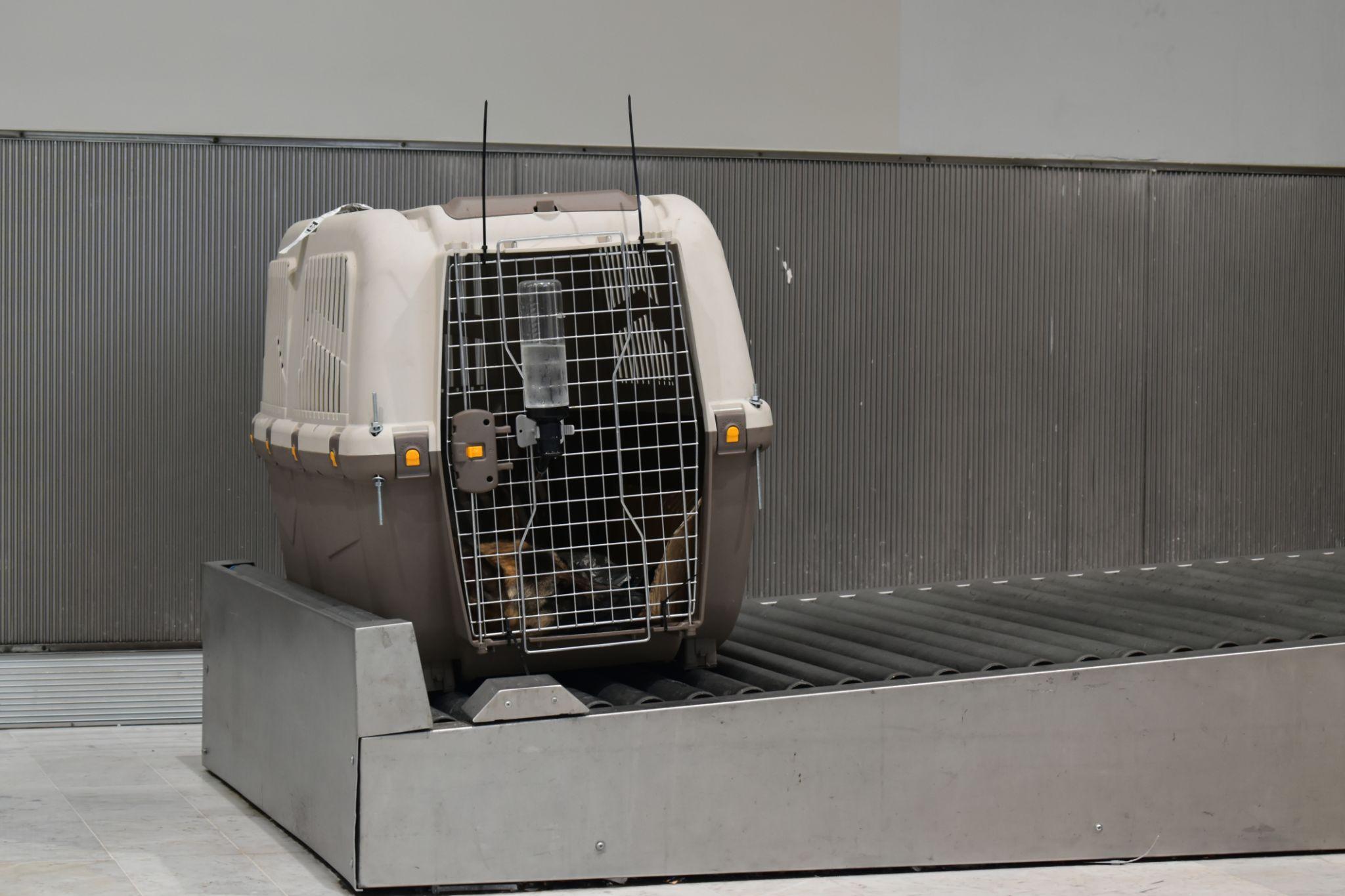
AVIH means that the pet travels in a designated, temperature-controlled and pressurised area of the aircraft's hold, inside an airline-approved travel crate. The pet is checked in at the airport separately from your passenger baggage but travels on the same flight as you.
For pet owners travelling from Kenya, understanding the AVIH process in advance is important because airline requirements, destination-country regulations and veterinary documentation must all be met before departure.
What Does AVIH Mean?
AVIH stands for Animal in Hold. Under this arrangement, an eligible dog or cat travels in the aircraft hold in an approved animal transport container.
The pet does not travel loose with ordinary checked luggage. Airlines that accept pets as AVIH have specific procedures for handling live animals and may have restrictions based on:
● Aircraft type
● Destination
● Temperature and weather conditions
● Pet size and weight
● Breed
● Travel crate dimensions
● Transit points
● Available animal-handling facilities
AVIH should therefore be arranged with the airline before purchasing or finalising your travel plans.
Which Pets Can Travel as AVIH?
Airline policies differ, but AVIH is commonly used for dogs and cats that are too large to travel in the cabin or where cabin pet travel is not permitted.
Some airlines may restrict certain breeds, particularly brachycephalic breeds such as Bulldogs, Pugs, French Bulldogs and Persian cats, because of the increased risks associated with air travel.
The airline may also impose restrictions based on the pet's age, health status, pregnancy, crate size or destination.
A veterinary assessment before travel is recommended to ensure that the pet is suitable for the journey.
What Is Required to Travel with a Pet as AVIH?
The exact requirements depend on the destination and airline, but an international pet journey from Kenya will commonly involve several components.
1. Microchip Identification
The pet should have a compatible identification microchip where required by the destination country.
The microchip number should be recorded consistently on the vaccination certificate, health certificate, export documentation and other travel paperwork.
2. Rabies Vaccination
A valid rabies vaccination is required for many international destinations.
The timing of the vaccination is particularly important. Some countries require the pet to be microchipped before the rabies vaccination is administered for the vaccination to be recognised for import purposes.
3. Rabies Antibody Titre Test
Some destinations require a rabies antibody titre test before the pet can enter the country.
Where required, the blood sample must be collected after the appropriate waiting period following vaccination and tested by an approved laboratory.
Because titre-test requirements vary considerably between countries, pet owners should establish the destination requirements well in advance of travel.
4. Veterinary Health Certificate
A veterinary health certificate may be required to confirm that the pet has been examined and meets the health requirements for travel.
Depending on the destination, the certificate may need to be issued within a specific period before arrival.
5. Kenya Export Permit
Pets travelling out of Kenya may require an official veterinary export permit and associated documentation.
The application should be started early enough to allow for processing and to ensure that the permit remains valid for the intended travel date.
6. Destination Import Permit
Some countries require an import permit before the pet travels.
The requirements vary significantly between countries, so it is important to establish the regulations for the specific destination rather than relying on general pet-travel information.
The Importance of the Travel Crate
One of the most important parts of AVIH travel is the travel crate.
The crate should comply with the airline's requirements and, where applicable, IATA Live Animals Regulations (LAR).
The pet must have sufficient space to:
● Stand naturally without its head touching the roof
● Turn around normally
● Sit comfortably
● Lie down in a natural position
The crate must also provide adequate ventilation and secure access.
For large dogs, crate selection should be based on the dog's actual measurements rather than weight or breed alone.
We recommend measuring the pet before purchasing a crate because an incorrectly sized crate can result in the airline refusing acceptance at check-in.
Can My Pet Travel on the Same Flight as Me?
In many AVIH arrangements, the pet can travel on the same flight as the owner. However, this depends entirely on the airline, route and aircraft.
It is important to distinguish between:
Accompanied AVIH:
The owner travels on the same flight while the pet travels in the aircraft hold.
Unaccompanied animal cargo:
The pet is transported as cargo and does not necessarily travel on the same passenger booking as the owner.
If you want your pet to travel as checked AVIH, confirm this with the airline before booking your ticket.
What Happens at the Airport?
AVIH check-in is different from checking in an ordinary suitcase.
The pet and travel crate must normally be presented at the designated airline check-in or live-animal acceptance area.
Airline staff may inspect:
● The travel crate
● Pet identification
● Vaccination records
● Health certificate
● Export documentation
● Import documentation
● Flight details
The pet is then transferred for handling and loading onto the aircraft.
Owners should allow additional time at the airport because live-animal check-in can take longer than normal passenger check-in.
What Happens During the Flight?
When accepted as AVIH, the pet is transported in the aircraft's designated live-animal area.
Depending on the aircraft and airline, this area is generally pressurised and temperature controlled. However, conditions and procedures vary between airlines and aircraft types.
The pet remains inside its secured travel crate throughout the journey.
For this reason, proper crate training before the journey is highly recommended.
Should You Sedate Your Pet for the Flight?
Routine sedation or tranquilisation for air travel is generally discouraged unless specifically recommended and managed by a veterinarian.
Sedatives can affect an animal's ability to respond normally to stress and changes in the environment.
Instead, pets should ideally be prepared through:
● Gradual crate training
● Familiarisation with the travel crate
● Appropriate exercise before departure
● Avoiding unnecessary stress on the day of travel
If you are concerned about your pet's anxiety, discuss this with your veterinarian well before the travel date.
Feeding Your Pet Before an AVIH Flight
Feeding arrangements should be discussed with your veterinarian and should also follow the airline's instructions.
A large meal immediately before travel is generally undesirable because stress and movement may increase the risk of vomiting.
The pet should have access to water and the crate should have an appropriate water container as required by the airline.
Your veterinarian can provide destination- and pet-specific advice based on the length of the journey and the animal's health status.
How Early Should You Start Preparing?
Pet travel should not be left until the last few days.
Some destinations require a sequence of vaccinations, laboratory testing, waiting periods, import permits and government certification that can take weeks or months.
A good starting point is to determine:
Your destination country
Your airline and flight route
Whether the airline accepts AVIH on that route
Whether the pet requires a rabies titre test
Whether an import permit is required
The required travel crate dimensions
The timing of the veterinary examination and export documentation
Starting early gives you time to address unexpected requirements without putting your travel plans at risk.
AVIH Travel for Pets from Kenya
At Mobivet Veterinary Clinic, we assist pet owners travelling from Kenya with the veterinary and documentation aspects of international pet travel.
Our pet relocation services can include:
● Pre-travel veterinary assessment
● Microchip verification
● Vaccination review
● Rabies titre testing guidance
● Health certificate preparation
● Kenya export permit processing
● Airline documentation guidance
● IATA travel crate guidance
● Destination-country import requirement guidance
● Pre-travel fitness-to-fly assessment
We work with pet owners travelling to destinations including the United Kingdom, United States, France, China, South Africa and other international destinations.
Because every destination and airline has different requirements, we assess each journey individually.
Frequently Asked Questions
Is AVIH the same as cargo?
No. AVIH generally refers to an animal travelling in the aircraft hold under the airline's passenger travel arrangements. Cargo transportation is a separate process and may involve a different booking and handling procedure.
Can a large dog travel as AVIH?
Potentially, yes. However, acceptance depends on the airline, aircraft, route, crate dimensions and the airline's maximum permitted animal and crate size.
Does every airline allow pets as AVIH?
No. Airlines have different policies, and some do not accept pets as checked baggage at all.
Does my pet need a rabies titre test?
Not necessarily. The requirement depends on the destination country and, in some cases, the transit countries.
Does my pet need an IATA crate?
The airline will specify the requirements for the transport container. For international air travel, an appropriately designed crate meeting applicable IATA Live Animals Regulations requirements is commonly required.
How long does the AVIH process take?
The airport check-in itself may take only part of an hour, but the overall preparation can take considerably longer. Veterinary documentation, laboratory testing, import permits and export permits may need to be arranged weeks or months before the flight.
Planning to Travel with Your Pet?
The key to a smooth AVIH journey is early preparation.
Do not wait until the week of travel to check whether your pet needs a rabies titre test, import permit, special vaccination or a particular crate size. These requirements can determine whether your pet is legally and practically able to travel on your preferred date.
If you are planning to travel from Kenya with your dog or cat, Mobivet Veterinary Clinic can help you plan the veterinary and documentation requirements from preparation through to departure.
Mobivet Veterinary Clinic
Nairobi, Kenya
Phone: 0727 333 722
Email: info@mobivetclinic.co.ke
Get updates
Vaccination reminders, travel checklists, clinic news — no spam.